The Exodus: One of God’s Greatest Acts

At the beginning of the book of Exodus, we see all Abraham’s descendants under the Egyptian captivity.

It is here that the Israelites cry out to Yahweh. God promises Israel deliverance from the Egyptians, a covenantal relationship, and the land promised to the patriarchs. “Moreover, I have heard the groaning of the people of Israel whom the Egyptians hold as slaves, and I have remembered my covenant” (Ex. 6:5).

Now through Moses, God’s prophet, Israel would be led out of Egypt and be delivered. “Yahweh renews the Genesis covenant of grace, this time with Moses, the mediator of Israel’s redemption” (Cornelius Plantinga, Engaging God’s World, 73).

There is one problem that was standing in the way: Pharaoh. He refused to let the Israelites go. So God hardened Pharaoh’s heart for the sole purpose of exalting His own name in glory (Ex. 6:1). God demonstrated his power and glory by sending many plagues, disasters, and sicknesses to the land of Egypt—ultimately leading to the deliverance of his people.

​Israel’s exodus was by far one of the greatest acts of God that displayed His omnipotence and sovereign rule over creation and the nations.

The exodus stands in the Hebrew scripture as the great defining demonstration of Yahweh’s power, love, faithfulness, and liberating intervention on behalf of His people. (Christopher J. H. Wright, The Mission of God, 75).

God used his mighty hand and brought forth Israel out of Egypt by many signs and wonders. By the end of the exodus the whole world knew who Yahweh was.

Moses declares, “Who is like you, O LORD, among the gods? Who is like you, majestic in holiness, awesome in glorious deeds, doing wonders?” (Ex. 15:11).

Now Israel crossed the Red Sea victorious and fully confident in the one and only true living God. At Mount Sinai it became official (Ex. 19)—God establishes a covenant with Israel and calls her to be a light to the nations.

Israel had seen and been a witness of the greatness of God and was now being called to be servants and to live a life of holiness, righteousness, and purity.

Reflection
God is all powerful and in full control of all things in creation. Nothing compares to his greatness.

Maybe you are living through a tough time, and don’t know how you are going to make it. Trust in God, he will deliver you, and just like Israel—you will experience God’s mighty hand.

Abraham: A Key Figure in God’s Redemption

20110524-103431.jpg

Man’s real meaning for existence was to have a relationship with God and to live his standard of perfect living. Unfortunately that is not what happens. The fall of man occurs due to his disobedience to God. Three major events in Genesis that demonstrate man’s failure and sinful nature are: the fall, the flood, and the tower of Babel.

The original couple, progenitors of the ​whole human race, failed the test of obedience that God had designed for them. ​Because they yielded to the temptation of the tempter in Eden, a curse fell not ​only Adam and Eve, but also on the ground, its products, the created order, and all ​humanity. (Walt Kaiser, Mission in the Old Testament: Israel as a Light to the Nations, 16)

So man sins and there is curse brought upon humanity and creation. The story does not end there. God would bring an anecdote to the curse. We get a first look at the “gospel” the good news in Genesis 3:15: “I will put enmity between you and the woman, and between your offspring and her offspring; he shall bruise your head, and you shall bruise his heel.”

Here’s a guarantee that this coming Man of promise, from the male descendants of Eve, would bring the remedy to save humanity from its bondage to the curse brought by sin.

The next step in the redemptive process God would choose a man named Abraham from a city called Ur in Babylon. The missionary plan is once again displayed when God made a covenant with Abraham.

God promises to Abraham three things: land, descendants, and blessings. God said to Abraham:

Go from your country and your kindred and your ​​father’s house to the land that I will show you. And I will make of you a great ​​​nation, and I will bless you and make your name great, so that you will be a ​​​blessing. I will bless those who bless you, and him who dishonors you I will ​​​curse, and in you all the families of the earth shall be blessed. (Genesis 12:1-3)

God calls Abraham to leave everything he has and follow God by faith alone. This is the beginning of the most important mission of God to bless the nations. God promises redemption to mankind.

The Old Testament is centered on this promise and is it fulfilled in the New Testament coming of the Messiah. Jesus Christ is the one who brings the remedy to the curse brought by man’s sin. Thus he delivers humanity from sin’s bondage and starts a new creation.

What God started in Abraham, he finished in Christ by bringing salvation to the world—ultimately blessing all the families of the earth.

Reflection
Abraham was a man of faith. He trusted God his life, his material belongings, and his future. Ultimately, God used Abraham in a great way.

Put your faith and trust in God today and be part of his mission—to bless all the families of the earth by spreading the gospel of Jesus Christ!

The Road Less Taken

20110521-024013.jpg

A friend once said: “We are all here to serve a purpose and when we are done we leave this world for a new one.” Sounds great, doesn’t it? Deep within this statement is the concept of universalism―the belief that everyone will go to heaven.

Such belief says we are all here for a purpose and everyone gets a happy ending. No matter what they did in this life. There is no sin, no hell, and no eternal punishment.

C. S. Lewis once said:

The safest road to hell is the gradual one―the gentle slope, soft underfoot, without sudden turnings, without milestones, without signposts.

Easy is the way that leads to hell. You don’t need to do anything to get there. The only requirement is to continue living self-centered, self-focused, and in sin.

Randy Alcorn states:

So heaven is not our default destination. No one goes there automatically. Unless our sin problem is resolved, the only place we will go is our true default destination…hell (Heaven, 23).

Heaven on the other hand is much harder to enter because we cannot do it on our own. We cannot earn enough merit with God by our good deeds.

Heaven is freely available to all those who put their faith in Jesus Christ―the only way to heaven.

Enter by the narrow gate. For the gate is wide and the way is easy that leads to destruction, and those who enter by it are many. For the gate is narrow and the way is hard that leads to life, and those who find it are few (Matthew 7:13-14 ESV).

This text clearly states that there is a narrow gate to heaven. There is only One door that leads to eternal life not many.

Unfortunately, only a few will find it. In fact it says that this way is hard because it will be different from the common, popular notion and belief out there―that all religions lead to God and heaven.

Its easy to accept what everyone else thinks and believes. Ultimately, this view will lead to a very disappointing outcome―not God, not heaven but destruction (v.13).

Truth is: there is one God, one heaven, one way―Jesus Christ. Jesus is the way, the truth, and the life (John 14:6). There is no such thing as many roads to God. Tragically, this view is deep within the roots of our culture and society. Although this is the popular belief, it does not match up with what the Word of God says.

Salvation is by grace, through faith in Christ. “And there is salvation in no one else [but Jesus], for there is no other name under heaven given among men by which we must be saved” (Acts 4:12).

It takes faith to believe Jesus. It takes faith to believe who he is, what he did during his earthly life. To accept Jesus as Lord and Savior means we have to repent of our sins and change the way we live.

Change is hard, unpleasant, and unappealing. Thus many are quick to reject Jesus due to his demand to change and thus reject the only way to heaven.

Only those who are wise will believe in Jesus as the only way to heaven. Only those who are willing to choose the road less taken will find eternal life.

And we know that the Son of God has come and has given us understanding, so that we may know him who is true; and we are in him who is true, in his Son Jesus Christ. He is the true God and eternal life (1 John 5:20).

So be brave, bold, and courageous and choose the road less taken. The only way that leads to heaven and all its glory―everlasting joy, peace, and happiness. Jesus Christ is his name. Choose Him today.

“And this is eternal life, that they know you the only true God, and Jesus Christ whom you have sent” (John 17:3).

The Workplace: An Arena to Display the Gospel

20110520-115529.jpg

To live a God-centered life is to do have God as the foundation, top priority, and as the very center of our existence. God should reshape and restructure our mentality of the workplace and its significance.

Every workplace is an opportunity to further the gospel message across to those lost and hopeless. But in oder for that to happen, we need to re-evaluate our perception of the work we are currently involved with and start working for the sake of God’s fame and glory.

Now this leads to three important questions regarding work:

1. What does the Lord say and calls me to believe about any type of work or employment?

  • Work as if you are working for the Lord (Col. 3:22-24).
  • Use special skills, gifts, and talents to honor God (Ex. 36:1).
  • Hard work brings forth rewards (Prov. 12:14).
  • Hard work helps provide for the basic every day needs (Prov. 28:19).
  • Our work for God is never in vain (1 Cor. 15:58)
  • We should work as servants of Christ (Eph. 6:5-9).

The workplace can actually be an arena to display the gospel with people as we share, relate, and demonstrate whom we are working for. Work is a great witness opportunity.

If we are to do work the right way, first we have to prepare our hearts and have good and purposeful intentions. Obedience to the leaders or managers will honor God. Managers are the earthly authority ordained by God to establish security and order in the workplace. The ultimate goal of their leadership is to keep peace and order in the workplace— leading with justice, fairness, and equality.

Success will ultimately depend on God. The key is to have the right attitude. A positive attitude will result in a better environment and atmosphere at work. This produces better chances to establish relationships. It just makes work so much more enjoyable and fun.

Whatever you do, work heartily, as for the Lord and not for men, knowing that from the Lord you will receive the inheritance as your reward. You are serving the Lord Christ (Col. 3:23-24 ESV).

Work and obey not just to please man, but with a good and sincere heart, in light of the inheritance in stored in heaven, serve God with the best work possible. “Good work is worth doing, and the world needs plenty of people who do it well” (Cornelius Plantinga, Engaging God’s World, 115).

2. Based on God’s faithfulness in His provision, how does or should work be affected for the Lord?

First and foremost we should respond to God with thanksgiving and praise for His provision and blessing. We should live a life of service to God. Therefore a change must take place in our daily work. Mission-centered work to expand the kingdom of God should be our ultimate desire and task. Work will be affected when we activate our faith and put it to work.

Our faith in Jesus Christ should be incorporated into our daily routine at work. Faith should guide and fuel our motivation to work for the Lord. Is it not God who is merciful that provides the job in the first place? God blesses people in order for them to be a blessing to others! There are no better motives to strive at work than the simple fact that we are children of God and should therefore live as children of light (Eph. 5:8). God calls us to be imitators of his love, walking in his image and likeness as his beloved children (Eph. 5:1-2). The workplace is the place to shine bright with the light of Jesus through love and grace.

3. Based on what God has done in the world in history through the church and individuals, how does or should employment affect life for me, us, others, etc?

We are the people of God; therefore we should live in accordance with the kingdom of God, under the rule and reign of Christ. Living in that reality will happen when we react to the gospel message in repentance and obedience.

This mentality should therefore not fade away when we each go our separate ways to our jobs and workplaces. Instead we should ask ourselves, “How can I further the gospel message at this specific time, in this scenario or context?”

Tim Keller says our faith informs our work in at least four ways:

  • First, our faith changes our motivation for work
  • Second, our faith changes our conception of work
  • Third, our faith provides high ethics for Christians in the work place.
  • Fourth, our faith gives us the basis for re-conceiving the very way in which our work is done.

Work is redefined and remodeled when we see it through God’s eyes. Work is no longer just for the money—but a place for the gospel and kingdom of God to expand by people who work for the Lord and further his mission. We are called to work as faithful servants to the One and only true living God with humility, sincerity, and intentionally to display God’s love to others. So as the apostle Paul once said, “So, whether you eat or drink, or whatever you do, do all to the glory of God” (1 Cor. 10:31).

The Gospel: Good News & Good Deeds

20110513-042006.jpg

What is happening to this world? We see how more and more people are desperately crying out for help. People are lacking the necessary resources to live and survive in life.

With the rise of natural disasters, comes also the need of shelter, food, and money. From famines to plagues, diseases to viruses, shortages to cutbacks, people are slowly losing everything they worked long and hard to gain and possess.

As Christians we have to ask ourselves, how can we help? How can we be a blessing for other people and so share the love of God to this fallen and hopeless world.

There is a variety of ways we can make a difference today’s society and in people’s lives. Here are some suggestions: spend quality time with others, share goods and possessions, pray and minister, donate unused stuff, give money to charities, volunteering, etc.

The perfect example of hospitality and compassion is Jesus Christ. He preached the Gospel and took care of the sick, brokenhearted, widowed, and orphans. He healed the sick, blind, and raised people from the grave. He brought forgiveness of sins, and a physical manifestation of his mercy and grace.

In Luke 4:18-19, Jesus states:

The Spirit of the Lord is upon me, because he has anointed me to proclaim good news to the poor. He has sent me to proclaim liberty to the captives and recovering of sight to the blind, to set at liberty those who are oppressed, to proclaim the year of the Lord’s favor (quoting Isaiah 61:1-2a).

Thus Jesus Christ fulfilled all that Isaiah prophesied centuries before. Jesus brought both spiritual and physical redemption and healing. As we can see, there must be a balance of good news carried out with good deeds. One or the other is not the full gospel, but a combination of both is essential in order to expand the kingdom of heaven.

God’s glory is displayed when the good news of His salvation is proclaimed and the good works of His people are carried out. Both are essential to God’s kingdom (Tom Ascol).

A biblical view of the gospel is the Good News of salvation through the redemptive work of Jesus, and the Good Deeds that demonstrate that reality. Each go hand to hand to display and establish the kingdom of God and ushered in the age to come.

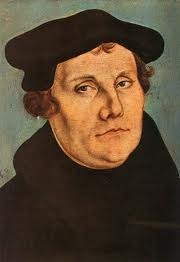
Martin Luther: Scripture Alone

20110513-014036.jpg

Luther once stated: “A council may sometimes err. Neither the church nor the pope can establish articles of faith. These must come from Scripture.”

The Reformation was by far one of the most impacting events in the history of the church. The Reformation not only affected the church but politics and cultures alike. Such penetrating changes are still seen in today’s society.

One of the main and most important figures in the Reformation era was none other than its prominent leader, Martin Luther. Bruce Shelley states, “Martin Luther was the father of the Reformation, which transformed not only Christianity but all of civilization” (Church History in Plain History, 244).

One of Luther’s staggering new doctrines was Sola Scriptura—the doctrine that the Bible is the only authoritative norm in the Christian’s life and devotion.

Sola Scriptura was a revolutionary doctrine at the time of Luther’s Reformation. It called the church to return to its biblical roots—submission, love, obedience, and a high view of Scripture as the only authority as it was clearly seen in the early Christian movement.

The Reformation had many positives and negatives that affected society, culture, and the church. Luther and the Reformers did not get everything right. One thing for sure was as Francis Schaeffer states, “The Reformers accepted the Bible as the Word of God in all that it teaches” (How Should We Then Live? 82).

The Bible is the only authority in the Christian’s life. It’s the foundation for living, the standard of truth. No man, council, or church is above the authority of Scripture. This was one of the main issues between Catholics and Protestants in the 1500’s.

The Bible is sufficient, powerful, and life-changing. The apostle Paul said:

All Scripture is breathed out by God and profitable for teaching, for reproof, for correction, and for training in righteousness, that the man of God may be competent, equipped for every good work (2 Timothy 3:16-17).

Again we read:

For the word of God is living and active, sharper than any two-edged sword, piercing to the division of soul and of spirit, of joints and of marrow, and discerning the thoughts and intentions of the heart (Hebrews 4:12).

The Bible—God’s Word is the only standard of living, therefore we should strive to obey it wholeheartedly.

Luther’s call to return to the Scriptures—is a relevant message not just for the sixteen-century church—but also for our current generation to admire and embrace for the glory of God as it continues the mission of the gospel to the world.

Mi Respuesta A Un Mensaje Muy Reconocido

Recibí un mensaje muy reconocido. Lo leí y fui impulsado a responder. Después de escribir por varios minutos, me di cuenta que el resultado fue un poco mas largo de lo que pensaba. Por lo cual decidí ponerlo aquí para que otros lo leyeran y fueran edificados.

El mensaje es el siguiente:

Disculpa ke te moleste, pero es muy urgente! Tengo un amigo que llegó de muy lejos y necesita un lugar donde quedarse. Siendo asi, le sugeri tu casa. Te pido que lo recibas y lo ames. Su nombre es Jesucristo. Ahora di en voz baja: Puedes entrar, Señor, yo te necesito, limpia mi corazón con tu sangre y bendice a mi familia. Envía esto a tus contactos y recibiras un milagro mañana. Si crees een Dios envia este mensaje a 20 personas. Si lo rechazas, recuerda que Jesus dijo: Si me niegas entre los hombres, te negaré ante mi Padre. Dentro de 4 minutos te darán una buena noticia.

Mi respuesta y comentario fue el siguiente:

Gracias por el mensaje. Con humildad y todo respeto hay varias cosas que quiero aclarar.

  1. Primeramente, este mensaje no es bíblico.
  2. No podemos usar versículos de la Biblia para apoyar nuestra opinión.
  3. No podemos manipular a Dios para recibir milagros.
  4. Una verdadera entrega a Jesus resultara en un cambio de vida, perdón de pecados, y vida eterna. No necesariamente en un milagro (lea punto 3).
  5. El rechazo de Dios resultara en completa separación de el por el resto de la eternidad. Pero si decido de rechazar de mandar este mensaje por Facebook, el no me va a negar simplemente por eso (lea punto 2).
  6. “Por tanto, todo el que me confiese delante de los hombres, yo también le confesaré delante de mi Padre que está en los cielos. Pero cualquiera que me niegue delante de los hombres, yo también lo negaré delante de mi Padre que está en los cielos” (Mateo 10:32-33). Este texto se refiere a situaciones difíciles cuando el ser humano tiene que confesar y testificar de su fe en Jesus a pesar de su circunstancia donde puede ser humillado, rechazado, y avergonzado.
  7. Últimamente, la mejor noticia es que Jesus a muerto en la cruz por nosotros y llevo el peso de nuestros pecados.
  8. “Pero Dios, que es rico en misericordia, por causa del gran amor con que nos amó, aun cuando estábamos muertos en nuestros delitos, nos dio vida juntamente con Cristo (Efesios 2:4-5).

El mejor milagro es la salvación. Dios en su infinita gracia y misericordia ofrece salvación gratuitamente a quienes acepten a Jesus por medio de la fe. Mi deseo y anhelo es que conozcas a Dios atreves de una relación personal. No importa el pasado o lo que hemos hecho. “Si confesamos nuestros pecados, El es fiel y justo para perdonarnos los pecados y para limpiarnos de toda maldad” (1 Juan 1:9). Si quieres entregar tu vida a Dios, repite esta siguiente oración:

Señor Jesus, reconozco que he pecado contra ti. Perdona mis pecados. Hoy te entrego mi vida a ti. Cambiame y transformame. Llenamente con tu Espíritu Santo y ayudame a vivir para ti. Gracias por morir en la cruz y darme la vida eterna. En el nombre de Jesus, Amen!

Si has hecho esa oración, te felicito porque has tomado la mejor decisión de tu vida-seguir a Jesus. Ten la libertad de contar conmigo por cualquier cosa en que te pueda ayudar. Consejería, oración, etc estoy para servirte. Que Dios te bendiga grandemente!

“Y el Dios de la esperanza os llene de todo gozo y paz en el creer, para que abundéis en esperanza por el poder del Espíritu Santo” (Romanos 15:13).

El Amor Que Vale

Y El le dijo: Amaras al Señor tu Dios con todo tu corazon, y con toda tu alma, y con toda tu mente. Este es el grande y el primer mandamiento. Y el segundo es semejante a éste: Amaras a tu projimo como a ti mismo (Mateo 22:37-39).

Este es uno de mis pasajes favoritos de la Biblia. ¿Sabes por que? Porque me exhorta y me demanda a amar primeramente a Dios y después a mi prójimo. Si amamos a Dios, vamos a obedecer su palabra. Si en verdad amamos a Dios, vamos a amar al prójimo. Amar al prójimo será el resultado de nuestro amor por el.

El amor es el vehículo para establecer orden y paz. El amor pone todo en armonía. Debido a nuestra naturaleza humana y pecaminosa, amar no es algo que automáticamente podemos hacer. Pablo nos dice, “Y sobre todas estas cosas vestíos de amor, que es el vínculo perfecto” (Colosenses 3:14). Hay que vestirnos de amor y ponerlo por obra en nuestra vida diaria.

De la misma manera que nos ponemos una camisa, o cualquier pieza de ropa, el amor es una decisión. Cada día tenemos la oportunidad de tomar la decisión de amar o no amar. El amor es lo que hará el cambio y la diferencia en nuestra sociedad.

El apóstol Pablo nos enseña cuales son las características de el amor cristiano:

El amor es sufrido, es benigno; el amor no tiene envidia, el amor no es jactancioso, no se envanece; no se goza de la injusticia, mas se goza de la verdad. no se goza de la injusticia, mas se goza de la verdad. Todo lo sufre, todo lo cree, todo lo espera, todo lo soporta. El amor nunca deja de ser; pero las profecías se acabarán, y cesarán las lenguas, y la ciencia acabara (1 Corintios 13:4-8).

¿Cuales de las características mencionadas del amor en este texto bíblico practicamos tu y yo en el día de hoy? Desafortunadamente pocas, sino ninguna.

El amor no es fácil. No es fácil porque hay que amar aunque no nos guste, y aunque no queramos. Dios requiere y demanda un amor sincero y genuino. Un amor que no es engañoso, egoísta, y condicional. Pero si queremos hacer su voluntad, le pediremos a Dios su ayuda para amar.

Dios, por medio del Espíritu Santo, nos dará el anhelo, deseo, y habilidad de amar. Sin importar quien sea, donde sea, y cuando sea. Porque el amar es de por vida. El amor es un proceso. Mientras vamos creciendo y madurando en el camino del Señor, aprenderemos a amar a los demás mas y mas.

El amor que vale es el de Dios. En el encontramos el verdadero amor. Un amor perfecto, divino e incondicional. Solamente por medio de el, y al experimentar su amor, podemos amar a muestro prójimo como a nosotros mismos, y así también testificar de ese amor al mundo.

En Cristo,
Jonnathan Menendez

How Can We Approach God?

How can we approach God, who is sovereign, holy, and perfect? Approaching God is very different today, than how it was the old days. Can you image what the Old Testament believers had to go through? The only place to seek and worship God was at the tent of meeting—the tabernacle.

How wonderful it would have been if there were tabernacles everywhere. That wasn’t the case in ancient Israel. Jerusalem was the only place where the Jews gathered and met to practice their faith in accordance to the Scriptures. Also, the distance and time consuming was so hard that many people failed to come anywhere near a place of worship.

There was a clear distinction and separation between man and God. This demonstrated how God is transcendent, so far apart and different from all creation and the same time immanent, very near and close.

Today is no different and apart from the atonement of Christ, we alone cannot approach God. We fall short of His glory and standard of living. God is holy and perfect. We are sinful and insufficient to make peace with God based on our own abilities, morals, or ethics. We are not good enough to reach or earn our merit with God.

The grace and mercy of God is overwhelming. In his infinite and unconditional love, God provides a way or substitution for our sins. His name is Jesus Christ, our precious Redeemer and Savior. He is the Lamb of God who takes away the sins of the world (John 1:29).

The wrath of God has been appeased by his only son. Justice, redemption, and salvation were made possible on the cross by the sacrifice of Jesus. The wall of separation was broken and the veil was torn. We have been bought with the ultimate price—the blood of Jesus.

God shows his love for us, by sending his begotten son to die on the cross and taking the punishment for our sins. Now through Jesus, by faith we can approach God with assurance, boldness, and confidence.

Reflection

We cannot come to God on our own. We can only come to him in faith by the justification of our sins by the work of Christ on our behalf. His righteousness becomes ours, and we can confidently approach the throne of God’s grace.

Therefore, brothers, since we have confidence to enter the holy places by the blood of Jesus, let us draw near with a true heart in full assurance of faith, with our hearts sprinkled clean from an evil conscience and our bodies washed with pure water (Hebrews 10:19, 22).

La Gran Comisión

Y acercándose Jesús, les habló, diciendo: Toda autoridad me ha sido dada en el cielo y en la tierra. Id, pues, y haced discípulos de todas las naciones, bautizándolos en el nombre del Padre y del Hijo y del Espíritu Santo, enseñándoles a guardar todo lo que os he mandado; y he aquí, yo estoy con vosotros todos los días, hasta el fin del mundo (Mateo 28:18-20 LBLA).

Este texto bíblico relata La Gran Comisión, o en otras palabras “el gran mandamiento” que Jesús estableció a sus discípulos, lo cual en el día actual nosotros también somos parte de esa misión de Dios. Puntos claves que analizar en este versículo son:

  1. Predicar el Evangelio de Jesucristo: Las Buenas Nuevas de Salvación. La predicación del evangelio es esencial para el establecimiento del Reino de Dios en la tierra.
  2. Hacer discípulos que obedezcan los mandamientos de Dios.
  3. Bautizar en el nombre del Padre, del Hijo, y del Espíritu Santo.
  4. Enseñanza y Discipulado: el proceso de crecimiento y madurez conforme la palabra de Dios a traves del Espíritu Santo.
  5. La Gran Comisión es posible porque Jesús tiene suprema autoridad en el cielo y en la tierra. El venció al pecado, a la muerte, y a Satanás por medio de su sacrificio en la cruz.

La gran comisión es el medio que Dios usa para continuar su misión de traer salvación al mundo y restauración a su creación.

Cuando vemos el panorama de la Biblia, de Génesis a Apocalipsis, vemos el amor incondicional de Dios, últimamente manifestado en su totalidad en Cristo Jesús.

Por eso Jesús, al ascender al cielo, ordena a sus discípulos a continuar esa misión del evangelio y proclamar el mensaje de esperanza a un mundo perdido y pecaminoso.

Si queremos ver un cambio positivo en nuestra cultura y sociedad, necesitamos salir de nuestro estado cómodo y tomar la iniciativa y testificar de nuestra fe en Jesus.

La Biblia nos dice: “¿Y cómo predicarán si no son enviados? Tal como está escrito: ¡Cuan hermosos son los pies de los que anuncian el evangelio del bien!” (Romanos 10:15 LBLA).

Actualmente, la iglesia es el vehículo que Dios esta usando para llevar acabo ese plan. Con la ayuda y la fortaleza del Espíritu Santo, llevemos este mensaje hasta los rincones de la tierra, para la honra y gloria de Jehová.